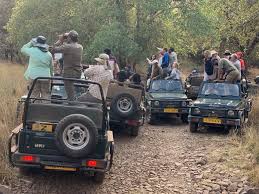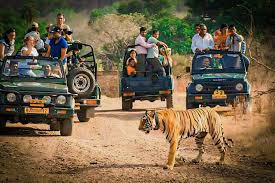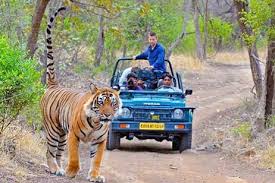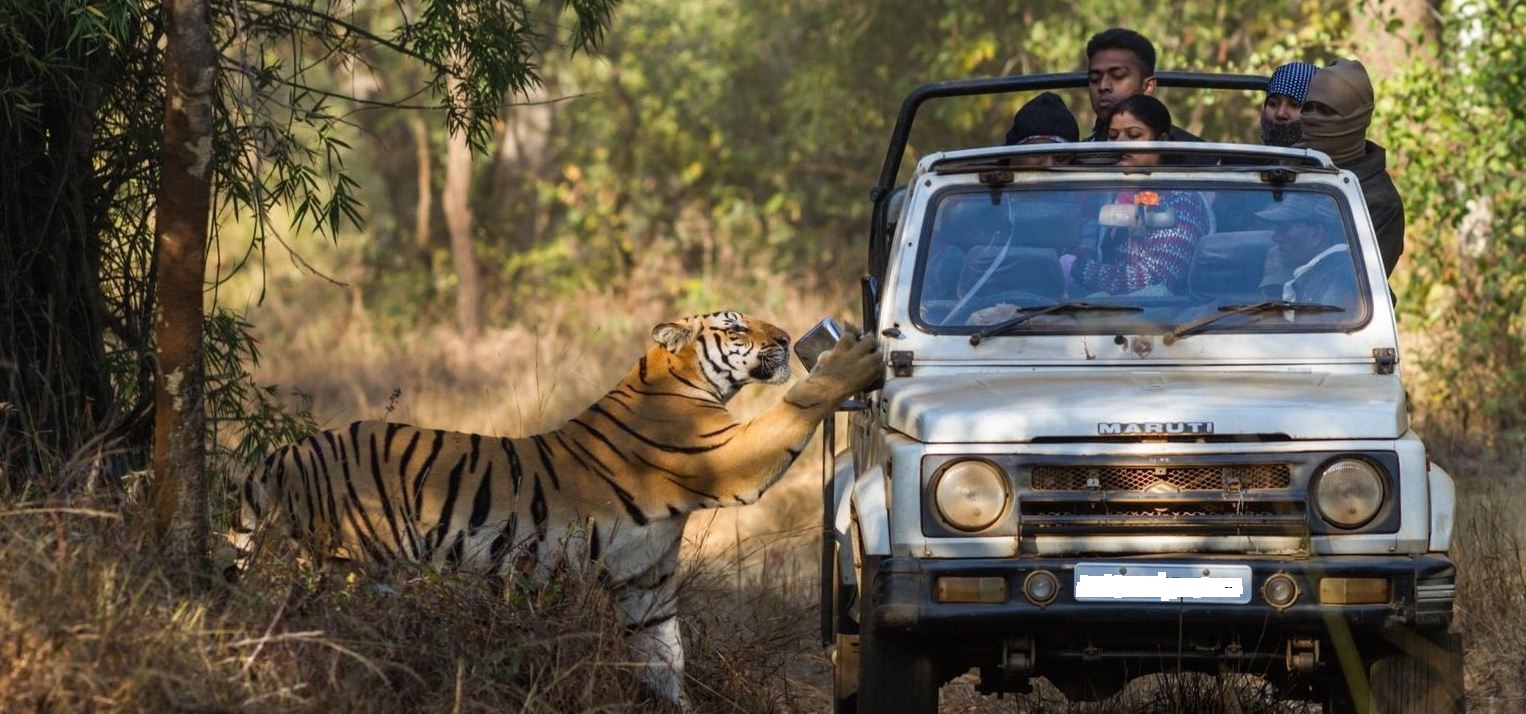
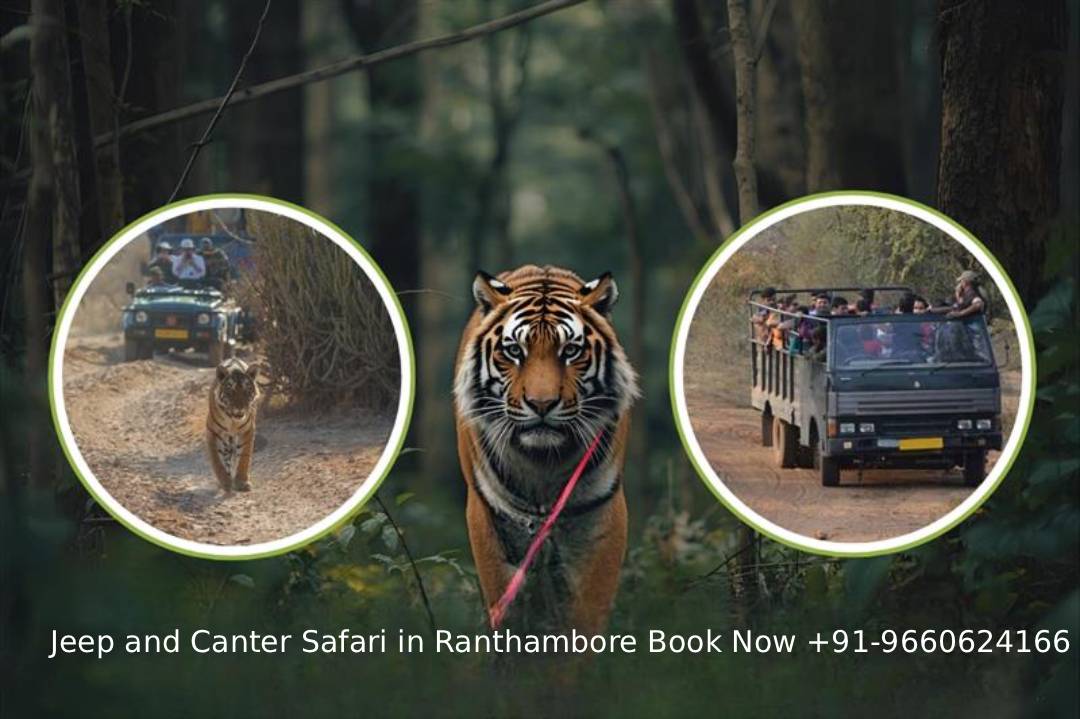
A Jeep Safari in Ranthambore is one of the most exciting ways to explore the wilderness of Rajasthan. Located in Sawai Madhopur, Ranthambore National Park is famous for its Royal Bengal Tigers, beautiful lakes, ancient ruins, rocky hills and dry deciduous forests. The park offers visitors an opportunity to experience wildlife in its natural habitat while travelling through designated safari routes.
Ranthambore National Park covers around 282.03 square kilometres, while the larger Ranthambore Tiger Reserve extends across a much wider landscape. The reserve is home to tigers, leopards, sloth bears, hyenas, sambar deer, chital, nilgai, wild boar, crocodiles and a large variety of birds.
For visitors who want a more private and flexible wildlife experience, a Jeep Safari in Ranthambore is an excellent option. A Gypsy/Jeep generally accommodates up to six visitors, allowing a smaller group to enjoy the forest and observe wildlife with comparatively greater flexibility. The Rajasthan Forest Department's booking information states that a Gypsy can be booked for six people, while a Canter accommodates 20 people.
Why Choose Jeep Safari in Ranthambore?
A Jeep Safari provides an intimate way to explore Ranthambore's forest tracks. Unlike a large safari vehicle, an open Gypsy gives passengers excellent visibility for wildlife observation and photography.
The experience is not limited to tiger spotting. During a safari, visitors may encounter sambar deer grazing near water bodies, groups of spotted deer moving through grasslands, langurs sitting on trees, crocodiles near lakes and numerous resident and migratory birds.
The landscape itself is one of Ranthambore's biggest attractions. Ancient ruins, rocky hills, lakes, grasslands and forest create a unique combination that makes every safari different.
Rajasthan Tourism describes Ranthambore as a major wildlife destination situated near Sawai Madhopur, where the Aravalli and Vindhya landscapes meet.
Ranthambore Safari Zones
Ranthambore's tourism area is divided into different designated zones to regulate tourist movement and manage wildlife habitat. The Rajasthan Forest Department's management plan describes tourism zones and routes as part of a system designed to control overcrowding and maintain the carrying capacity of the area.
For visitors, the most commonly discussed safari zones are Zone 1 to Zone 10. Zones 1–5 are generally described as the traditional/core tourism zones, while Zones 6–10 are commonly referred to as buffer or newer tourism areas.
It is important to remember that no safari zone can guarantee a tiger sighting. Wildlife moves freely, and sightings depend on animal movement, weather, season, water availability and luck.
Zone 1 – Singhdwar and Sultanpur Area
Zone 1 is accessed through the Singhdwar side and includes areas such as Tuti Ka Nalla, Amreshwar Dang, Sultanpur, Gada Dub and other forest tracks.
The zone provides a mixture of forest, rocky terrain and water points. It can be an interesting route for visitors who want to experience the traditional Ranthambore landscape.
The official management plan lists routes through Singhdwar, Raipur, Amreshwar Dang, Tuti Ka Nalla, Sultanpur, Gadadub, Khariyachatha and other locations within Zone 1.
Zone 2 – Jhalra and Kamaldhar
Zone 2 is known for varied terrain, water sources and forest landscapes. Important locations associated with this zone include Jhalra, Kamaldhar, Amrai, Phuta Bandha, Pandudeh, Guda, Gandhria and Polkiya.
It is often considered an attractive zone for wildlife photographers because the combination of water, vegetation and rocky landscapes can provide interesting opportunities for observing wildlife.
The official tourism-zone route description includes Jogimahal Gate, Jhalra, Kamaldhar, Amrai and other points in Zone 2.
Zone 3 – Padam Talao and Rajbagh
Zone 3 is one of the most famous safari areas in Ranthambore. It includes **Padam Talao, Rajbagh, Mandook and High Point.
The lakes and historical ruins create the classic Ranthambore scenery that many visitors associate with a tiger safari. Padam Talao is particularly scenic, with the surrounding hills, forest and old structures providing excellent photography backgrounds.
The Rajasthan Forest Department's tourism-zone description specifically identifies Padam Talao, Rajbagh, Mandook and High Point as part of Zone 3.
For first-time visitors interested in the iconic Ranthambore landscape, Zone 3 can be particularly memorable. However, tiger sightings are never guaranteed.
Zone 4 – Malik Talao and Lakarda
Zone 4 includes areas such as Tambakhan, Malik Talao, Lakarda, Berda, Semali and Adidant.
This zone combines forest tracks, rocky areas and water bodies. Malik Talao is an important landscape feature and can attract different species of wildlife, particularly during warmer and drier periods.
The official management plan identifies Singdwar, Tambakhan, Malik Talao, Lakarda, Berda, Semali and Adidant among the Zone 4 route points.
Zone 4 is also popular with photographers because of its varied terrain and opportunities to capture wildlife against natural backgrounds.
Zone 5 – Kachida and Bakola
Zone 5 includes locations such as Jokha, Kachida, Dhakra, Bagdah, Bakola and Anatpura.
The zone offers a mixture of valleys, forest areas, rocky landscapes and open spaces. Kachida is one of the better-known landscape areas associated with this part of Ranthambore.
For travellers who want to enjoy the forest beyond the famous lake areas, Zone 5 can offer a different safari experience.
The official tourism route for Zone 5 includes Singhdwar, Jokha, Kachida, Dhakra, Bagdah, Bakola and Anatpura.
Zone 6 to Zone 10 – Buffer Safari Areas
Zones 6–10 provide a different type of Ranthambore safari experience. These areas generally offer more open landscapes, rugged terrain, grasslands and quieter forest tracks. They can be particularly appealing to repeat visitors, birdwatchers and photographers who want to explore a less crowded side of the reserve.
Zone 6 – Kundal
Zone 6, commonly associated with the Kundal area, has a landscape that differs from many traditional core-zone routes. It features open grasslands, hills and broad views.
The zone can be interesting for birdwatchers and landscape photographers because of its open terrain and varied habitats. Wildlife such as deer, birds and other species may be encountered, and tiger movement can also occur.
Some current zone guides associate Zone 6 with areas such as Kundal, Kala Pani and other open landscapes.
Zone 7 – Chidikho
Zone 7 is associated with the Chidikho area and offers a quieter, more rugged landscape. Rocky outcrops, forest patches and hills create an immersive wilderness atmosphere.
This zone can be appealing to visitors who have already experienced the famous core zones and want to explore a different side of Ranthambore.
Wildlife possibilities include deer, birds, leopard and, depending on animal movement, tiger sightings as well.
Zone 8 – Balas
Zone 8, associated with the Balas area, offers a mixture of dry forest, rocky terrain and open patches.
The zone can be rewarding for nature lovers because the safari is not solely about searching for tigers. Visitors may see a variety of birds, deer and smaller wildlife while enjoying the natural landscape.
For photographers, the combination of hills, trees and open areas can create excellent landscape compositions.
Zone 9 – Kuwalji
Zone 9, commonly known as the Kuwalji area, provides another distinctive safari experience. It is generally considered a quieter area compared with the highly popular core routes.
The landscape includes dry forest, open areas and riverine or water-associated habitats in parts of the zone. Birdwatchers can find this type of habitat particularly interesting.
Visitors should approach Zone 9 with an open mind: a safari here is about experiencing the wider ecosystem rather than simply expecting a tiger.
Zone 10 – Aantri
Zone 10, often associated with Aantri, represents another side of Ranthambore's buffer landscape.
Open terrain, scrub forest, rocky patches and wide views make it attractive for nature and landscape photography. The area can also provide opportunities to observe birds and other wildlife.
As with every Ranthambore zone, animal movement is unpredictable, so visitors should not judge a safari only by whether they see a tiger.
Wildlife You Can See During a Jeep Safari
The Royal Bengal Tiger is the biggest attraction of Ranthambore, but the reserve supports a much wider range of wildlife.
During a Jeep Safari, you may encounter:
* Royal Bengal Tiger
* Leopard
* Sloth Bear
* Striped Hyena
* Sambar Deer
* Spotted Deer or Chital
* Nilgai
* Wild Boar
* Langur
* Rhesus Macaque
* Marsh Crocodile
* Jackal
* Various species of eagles and vultures
* Peafowl and other forest birds
Rajasthan Tourism lists tiger, sloth bear, leopard, caracal, jackal, fox, hyena, mongoose, chital, sambar, nilgai, langur and many bird species among Ranthambore's wildlife.
Morning vs Evening Jeep Safari
Ranthambore generally offers safari experiences in morning and afternoon shifts, with timings varying according to the season and official schedule.
A morning Jeep Safari is popular because the forest is cooler and animals may be active after the night.
An afternoon Jeep Safari can provide a completely different atmosphere. As temperatures change and the sun begins to move lower, the forest develops beautiful golden light that is particularly attractive for photography.
Rather than choosing a safari solely around tiger expectations, visitors should consider taking more than one safari if their itinerary allows. Different zones and different times of day can expose travellers to different habitats and wildlife behaviour.
How to Book a Jeep Safari in Ranthambore
Safari permits for Ranthambore are managed through the Rajasthan Forest Department's wildlife tourism booking system. The department provides an online booking/permit service for Ranthambore Tiger Reserve.
For a smooth trip, travellers should ideally arrange their safari permits in advance, especially during weekends, holidays and peak wildlife-tourism periods.
The booking process generally involves selecting Ranthambore National Park, Sawai Madhopur, the desired safari date and the applicable vehicle/category.
A Gypsy can accommodate up to **6 visitors**, while a Canter can accommodate up to **20 visitors**, according to the Forest Department's booking information.
Best Time for Jeep Safari in Ranthambore
Ranthambore is a seasonal wildlife destination. The cooler months from approximately **October to March** are popular because the weather is generally comfortable for safari.
The hotter months can also be interesting for wildlife enthusiasts because animals may spend more time around available water sources. However, temperatures can become quite high, so visitors should prepare accordingly.
The park's operational dates and zone availability can vary according to official forest-department rules and seasonal management decisions. Always check the current official booking information before planning your safari.
Tips for a Successful Ranthambore Jeep Safari
1. Book early: Popular safari dates can fill quickly.
2. Carry binoculars: They are useful for birds and distant wildlife.
3. Wear comfortable clothing: Neutral and earthy shades are suitable for a forest safari.
4. Carry water: Stay hydrated, particularly during warmer months.
5. Protect yourself from the sun: Sunglasses, sunscreen and a hat can be useful.
6. Follow the guide's instructions: Wildlife should always be observed responsibly.
7. Do not make loud noises: Quiet observation increases the quality of the experience.
8. Never feed animals: Feeding wildlife can be harmful and is inappropriate in a protected area.
9. Keep your camera ready: Wildlife can appear suddenly and disappear just as quickly.
10.Do not expect a guaranteed tiger sighting: Ranthambore is a natural forest, not a zoo.
Why Ranthambore Jeep Safari Is Worth Experiencing
A Jeep Safari in Ranthambore is much more than a search for the Royal Bengal Tiger. It is an opportunity to experience one of Rajasthan's most fascinating wildlife landscapes.
From the lakes and ruins of Zones 2 and 3 to the forests and rocky landscapes of Zones 4 and 5, and from the open terrain of Zone 6 to the quieter buffer landscapes of Zones 7–10, every part of the safari landscape has its own character.
The Rajasthan Forest Department has specifically described tourism zoning as a way to regulate visitor movement, reduce overcrowding and maintain a balance between tourism and wildlife conservation.
Whether you are a first-time wildlife traveller, a professional photographer, a family on holiday or a dedicated tiger enthusiast, a Ranthambore Jeep Safari can become one of the most memorable experiences of your Rajasthan trip.
The most important thing is to enter the forest with patience. A tiger may appear, or you may spend hours enjoying birds, deer, landscapes and ancient ruins. Either way, the real attraction is the wilderness itself.
Plan your Ranthambore Jeep Safari in advance, choose your safari dates carefully, and experience the incredible wildlife, forests and landscapes of Ranthambore National Park.
Ranthambhore Animals:
Tigers, Leopards, Striped Hyenas, Sambar deer, Chital, Nilgai, Common or Hanuman langurs, Macaques, Jackals, Jungle cats, Caracals, Sloth bears, Black Bucks, Rufous-tailed Hare, Chinkara, Common Palm Civets or Toddy Cats, Common Yellow Bats, Desert Cats, Fivestriped Palm Squirrels, Indian Fal The amphibian species only consist of the common India toad and the common frog.
Jeep and Canter safaris are both different views of the Ranthambore wilderness. When you need to have an adventure that is personalized, close, and does not require spending a lot of money, then the Jeep Safari is the obvious choice. But in the case of a family traveling or a large group, the Canter Safari will not leave you without the exciting jungle experience.
However, it is not the vehicle that actually makes it worthwhile, but the moment where you stare straight into the eyes of a tiger in the middle of the rustling trees, a moment you will never forget. Ranthambore is an adventure that any person will never want to miss in a jeep or in a canter!